Good Shape; flawed design

When I was shooting in Alaska a few weeks ago, I did a lot of long-lens shooting with a follow focus.

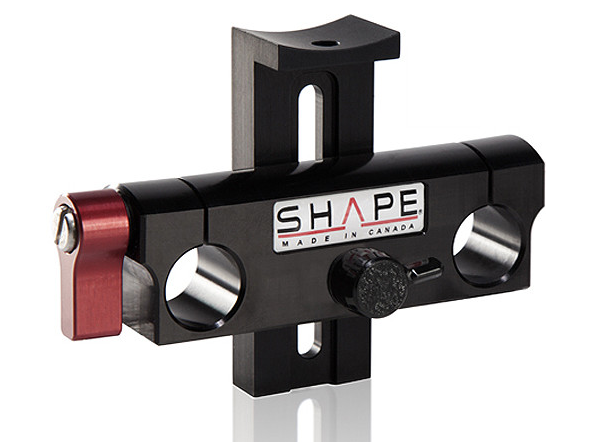
I took a critical piece of equipment with me, without which everything wobbles out of focus at the slightest touch. Here it is:

It’s a Shape Lens Support, and it does a brilliant job of holding long lenses steady while shooting and focusing. One thing I discovered: when using with long glass such as my Nikon 300mm f/4 and with a Canon 70-200 f/2.8 zoom, it’s essential to place the support at the every tip of the lens, rather than at midpoint. The follow focus has to be placed in the middle between the two points of contact – between the lens support at the lens mount. Otherwise it doesn’t work at all.

One thing that happens on documentary shoots where you’re dragging gear around all day is that anything that can come loose generally will. This Shape lens support looks well designed – solid metal. But it’s significant flaw is that if the black tightening knob the holds the vertical bar comes loose, there is nothing to prevent the whole thing from unwinding and falling apart. That’s what happened to mine when I was standing on grated deck. I heard the clank and watched the parts drop through the metal grid of the deck and disappear into the Cook Inlet. Bummer.

Luckily it happened toward the end of the shoot. When I got home, I sent an email to the folks at Shape asking if they could sell me the replacement parts. They did one better: they shipping me the part for free.

How’s that for classy?

I’m not a fan of this particular design, but I am a fan of Shape’s customer service. And I look forward to trying more of their gear in the future.

New work with Jason Silva

I had an opportunity to meet Jason Silva after he delivered the keynote at this year’s Seattle Interactive Conference. His enthusiasm for his ideas is absolutely contagious. Jason told me he liked the sound design of our SIC 2012 teaser video so much, that he wanted me to cut his next “cinematic espresso shot.” What’s not to love about someone in love with bold ideas?

The results of our collaboration are now complete, and judging by the number of views (more than 5,000 plays in the first three days) it could well become the most popular video I’ve had a hand in making yet.

This was pretty much an editor’s dream gig: an open-ended opportunity to freely interpret huge ideas with awesome stock footage (most of it from shutterstock.com) and sound effects (most from Sound Ideas – a great company from my old stomping grounds in Richmond Hill, Canada). I even managed to sneak in one of my own shots. Can you guess which one?

Gearing up for Blackmagic Cinema Camera with SSD dock

One of the nice things about the Blackmagic Cinema Camera taking forever to ship is that it’s allowed me time to slowly acquire the additional tech that this beast requires to run. The big one, of course, is SSD drives. I picked up a SanDisk Extreme 480GB (SDSSDX-480G-G25
) drive on Black Friday for $285, a smokin’ deal for a card that retails for around $350.

Reports from those lucky enough to have the camera already reveal that in it’s current version, there’s no way to get footage to offload from the camera directly. Hopefully this will be addressed by a future firmware update. For now, at least, this means we’ll need to mount the card into an external case of some kind to offload footage. As far as I can find, no one yet makes anything as simple as a CF card reader for these devices. But I discovered one manufacturer who makes something pretty close: The Seagate GoFlex Thunderbolt adapter. It’s relatively cheap at a hundred bucks, and I can attest that it works fine with at least one of the drives on Blackmagic’s approved list, the aforementioned SanDisk Extreme SSD 480k. With a little work, I’ve discovered it can get the job done nicely.

There’s a slight problem with this drive combo: it doesn’t work when plugged directly into a 2011 MacBook Pro. Apparently the portable macs Thunderbolt port doesn’t supply enough power (it works fine with my 2011 iMac). The good news, though, is that it DOES work when plugged into the Thunderbolt port of our externally powered Lacie 2big Thunderbolt drive. And that is how we intend to use it in the field: to offload files directly to the Lacie. So we’re good. But it won’t work if you intend to lay off directly to your MacBook’s internal drive.

If you insert the disk bare, which is what you want to do when swapping cards in and out of the Blackmagic Camera, there is a gap under the card, which could be dangerous because it causes the connection to bend and it might ultimately break with use. To fix, I took a stack of business cards, and taped them down. You’ll have to use trial and error to pick the exact number to fill the space perfectly. Like so:

An elastic holds everything in place during transfers.

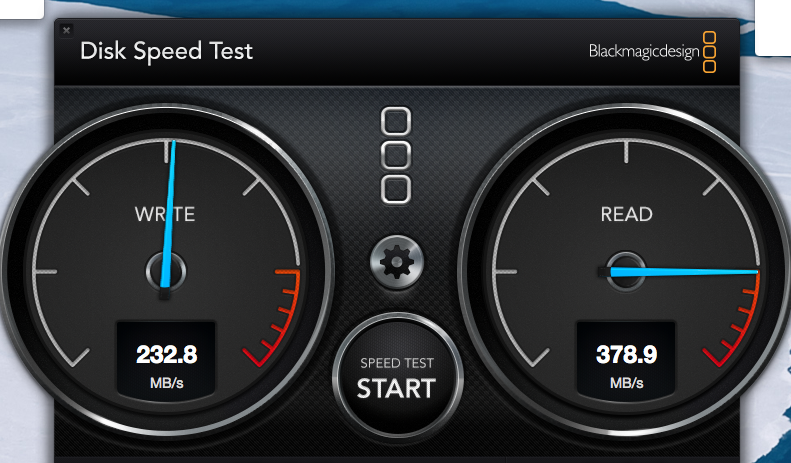
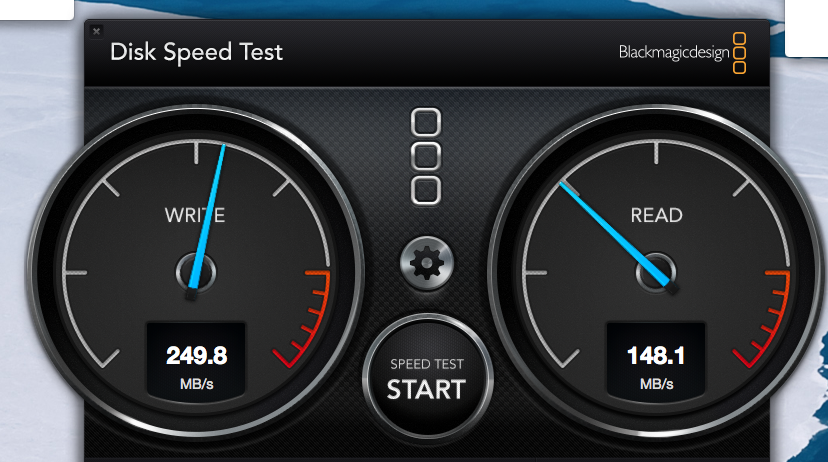
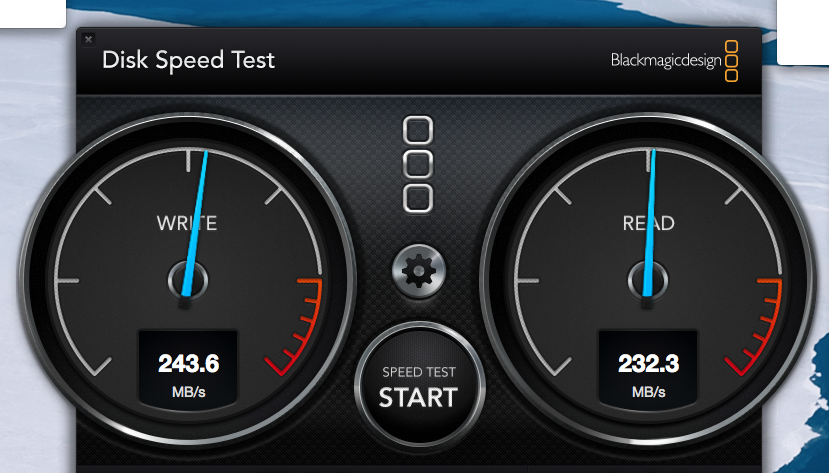
With this dock and drive setup, here’s the speed I’m clocking for transfers:

By way of comparison, here’s how my other drives rate. Promise Pegasus R4:

Lacie TwoBig 4TB with Thunderbolt:

For Sale: Ikelite W-20 Underwater Wide Angle Conversion Lens with 67mm Thread

This wide angle conversion lens enables super wide underwater shots when using Ikelite underwater housings that accept 67mm thread. The lens surface has one blemish, which hasn’t had any visible affect on footage we’ve shot with the lens. However, be aware that the glass is not flawless (see flaw in photo below):

The lens retails new for $359 – we’re selling this one for a killer deal at $150. Contact Dan McComb at dan@visualcontact.com with questions or to purchase.

Description:

The Ikelite W-20 is a high quality wide-angle conversion lens that works on many housings with ports that have a 67mm thread. The lens has a magnification of 0.56x.

Enjoy increased clarity and enhanced color that result from widening your camera lens angle of coverage and getting closer to your subject. The Ikelite W-20 can be removed and replaced while underwater for maximum versatility.

For Sale: Ikelite 6242.95 Ultra Compact Housing for Canon PowerShot S95 & S90

We selling an underwater housing that allows you to use a Canon S-95 Powershot under water up to 200 feet deep. Used twice, it is in excellent condition. Lens opening is perfect with no scratches. Bonus: at no additional charge, we’re including a handle grip that can be used to attach video lights, a $70 value. Currently the body alone retails for $324 – we’re selling both body and handle for $275.

Description:

This Ikelite 6242.95 Ultra Compact Housing is designed for the Canon PowerShot S95 and S90 digital cameras. It is an injection-molded clear polycarbonate case, known for its strength and corrosion-free properties. The housing offers an unobstructed view of the camera’s information and control functions and operates safely to a depth of 200′. An easy-open latch, along with drop-in camera loading, makes set-up a breeze. The housing is sized and weighted for near-neutral buoyancy and superb handling underwater.

All camera controls except the rear control dial are operational through the housing. A gear driven system allows use of the camera’s ring function.

A flash diffuser is included to improve lighting quality when the camera’s built-in flash is used underwater. For optimum lighting underwater an optional external strobe is recommended. Ikelite strobes are brighter, recycle faster and offer wider coverage than the camera’s flash. Being farther from the camera lens, the strobe reduces the illumination of particles in the water, which helps eliminate backscatter.

The port accepts the 67mm threads of a wide-angle conversion lens without an adapter. Getting close to your subject will greatly increase the quality of your underwater photos. By eliminating as much water as possible between you and your subject, you will get increased contrast and better color. The wide-angle conversion lens can be attached and removed when underwater.

Clear Polycarbonate Construction

Strong and corrosion-free, ultra-compact, high-performance and very durable housing

Camera Functions

All camera controls except the rear control dial are operational through the housing. A gear-driven system allows use of the camera’s ring function.

Mechanical Controls

The dependable controls are conveniently placed at your fingertips and kept watertight with Ikelite’s pioneering Quad-Ring seal glands, one of the most reliable methods for sealing controls.

Wide-Angle Options

The port accepts the 67mm threads of a wide-angle conversion lens without an adapter.

**SOLD: Canon BG-E9 battery grip for Canon 60D EOS

Updated 11/29/2012: This item has been sold. Thanks Gerald!

We’re selling our gently used battery grip for Canon 60D, complete in original packaging with warranty card. Using this doubles your shooting time, and gives you the option to use AA batteries as a backup, too. Bonus for video shooters: with grip, your 60D is properly aligned for use with many matte boxes and follow focus units. And, it raises the center of gravity, making it possible to balance the camera with video fluid heads designed for use with heavier cameras. We paid $150 for the kit new; going once, going twice for $95. Call Dan at 206.228.0780 if you want it – I’m offering to my blog readers first, then to Craigslist and Ebay.

For sale: Canon 60D body kit in original packaging

We recently upgraded our primary camera to a Canon 5dmkiii, so we’re selling one of our carefully used Canon 60ds. This one was used as our b-camera on our documentary, Beyond Naked. This was Lisa’s camera, which she took exceptional care of. Comes with everything included in box as when we received it new: battery, charger, software, warranty card, manuals, usb cable, composite cables, unopened camera strap. This camera was used primarily for video shooting, not stills. It is a fantastic video camera that punches far above its weight and cost. If you have any problem with it upon receiving it, I’ll pay you to ship it back to me. Price: $700. I’m offering it here to blog readers first before posting on Craigslist and/or Ebay.

Going once, going twice… to first person to call me at 206.228.0780.

Check it out:

Corrupt digital files – what's the culprit? *Updated with answer

I spent the morning shooting a bunch of old gear that I’m preparing to sell. Imagine my dismay when I opened the CF card and saw every single file looking like this (see above). At first I thought the camera was defective, but some troubleshooting revealed that I could display the images fine on my camera’s playback. So that appears to rule out both the camera and the card being defective. That pretty much left the card reader as the prime suspect.

However, further testing reveals that files pulled directly off the camera via usb cable also are corrupt. So now I’m back to thinking the problem might lie with a defective cf card after all. Anyone ever seen anything like this before? I’m using Canon 5dmkiii with Lexar Professional UDMA7 (1000x) 32GB CF card.

Unfortunately I have only one CF card (typically I use SD cards, which are working fine) so I can’t test with another CF card immediately.

*** Update 11/26: I purchased a UDMA7 compliant card reader, the Lexar Professional USB 3 reader, and it reads the card fine. Images open normally. So apparently the culprit is the card reader, not the camera, or the cable, or the card. I had understood that USB 2 cf card readers could be used with UDMA 7 cards, but apparently that’s not the case. For me, at least, the 1000x cards require an updated card reader to function properly.

Quinault Rainforest

Lisa and I spent a couple days hiking in the rainforest around Lake Quinault this week with our cameras and a set of old Nikon prime lenses (Lens used were Nikon 85mm f/1.8, Nikon 20mm f/4, and Nikon 35mm f/1.4).

It’s a magical place full of visual intrigue. Home to six of the largest trees in the world, it was a perfect place to put my new 5D MKIII to work. I’ll be posting more about the camera, particularly from a video perspective, after I’ve spent more time with it. For now, some stills.

Tilta Matte Box review – good stuff from China?

The package that arrived from Team Tilta wasn’t reassuring. Wrapped in mismatched hunks of foam and bubble wrap, the goods arrived looking more like a used ebay purchase than something fresh from the factory. But it turns out you can’t always judge a product by its package.

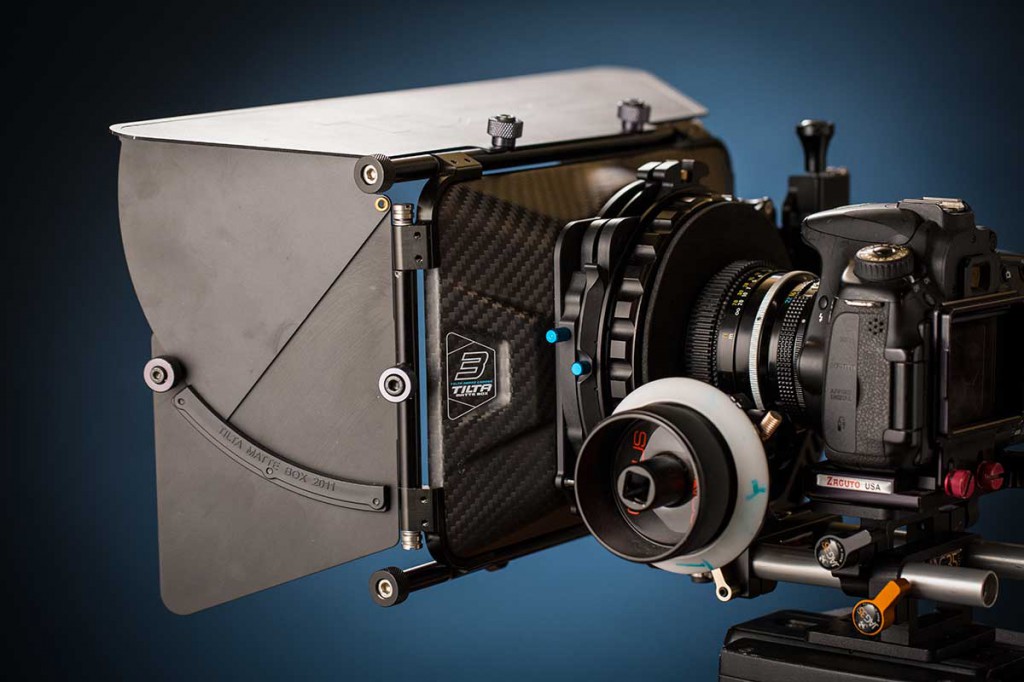
I purchased the Tilta Matte Box (private page – for access message your email to Team Tilta on Facebook) to take with me on an 8-day shoot in Alaska.

I knew the low angle of the sun at this time of year would made a matte box helpful. But I had to pack extremely light: everything had to be flown in by helicopter to the shoot, an offshore drilling platform in the Cook Inlet.
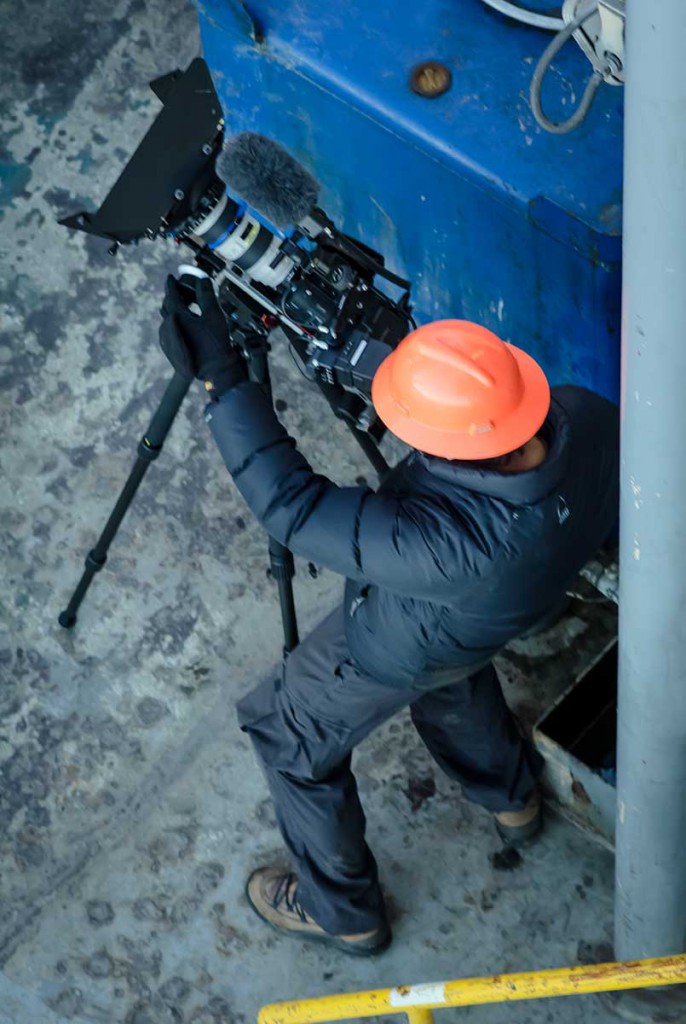
The conditions were extreme: tons of dangerous metal flying around on overhead cranes, noise, constant hurry-up rig/lens changes. And to complicate things, the cold.

If I’ve learned one thing about the Tilta, it’s that it’s solid. Nothing fell off, nothing rattled loose; it just worked. With a few quirks.

The matte box itself is made of super lightweight carbon fiber. This does indeed make the whole thing substantially lighter than, for example, the Redrock micro matte box, which I rented recently. It weighs 3 pounds, 11 ounces. The Tilta matte box comes in at just 2.8 pounds.

In fairness it’s not quite as deep or large as the Redrock box, which really swallows a lens. But with the included top and side flags, I found it more than adequate.

Like the Redrock box, the Tilta includes a fourth flag rail on the bottom of the box, to which you can bottom-mount your french flag, to block light coming from below. An unlikely angle, but one I’m glad Tilta has covered.
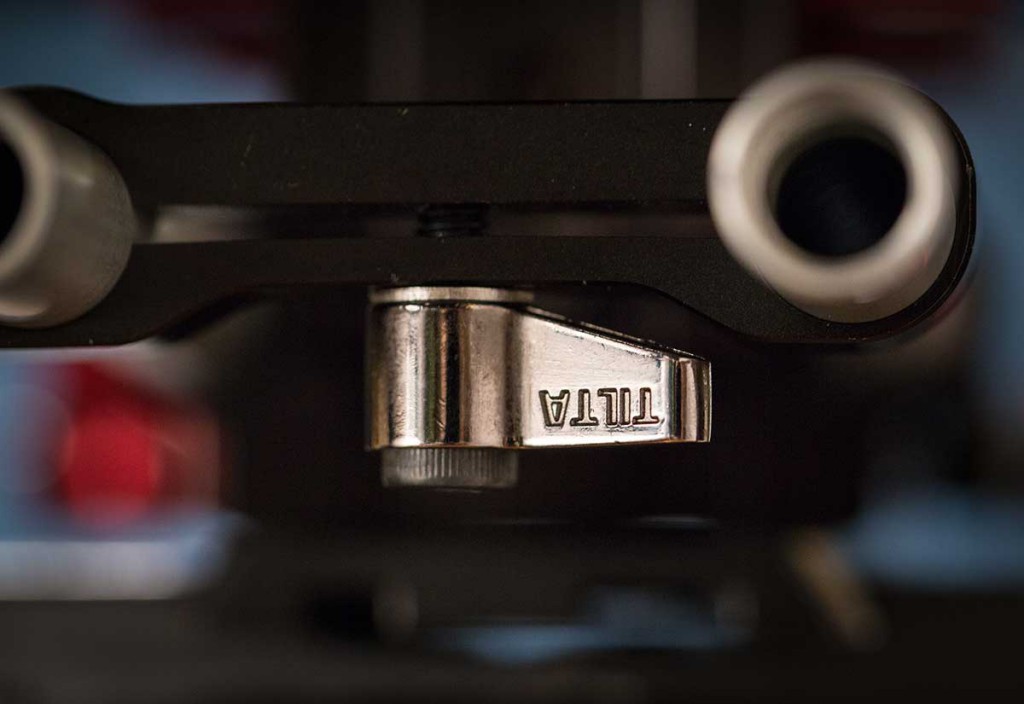
All the business parts are machined or cast metal. The tagline of Tilta is “Tilta Armed Camera,” and indeed it feels like your handling a weapon.
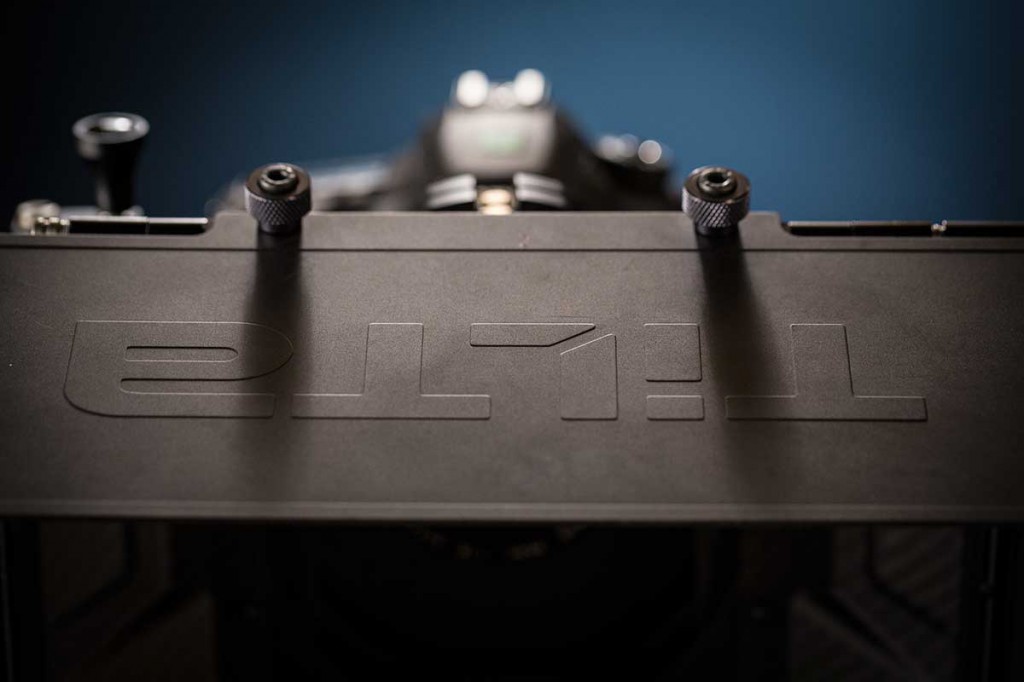
Most elements of the Tilta are made so well made that the bits that aren’t seem like shocking oversights. For example, the donuts suck.
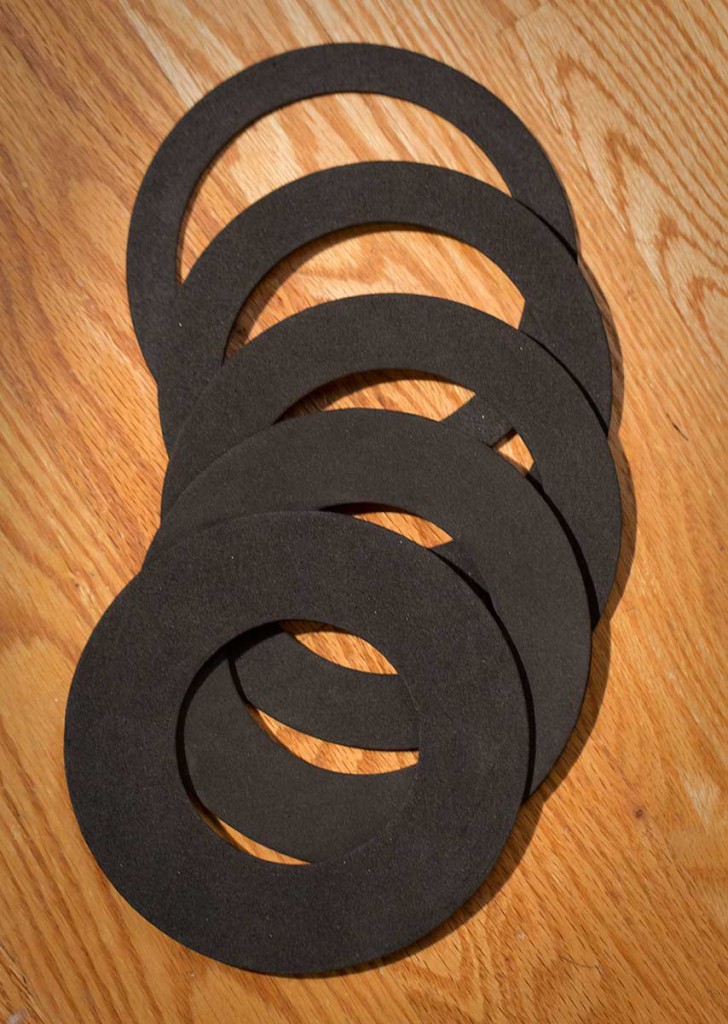
The donuts appear to have been complete afterthoughts, thin pieces of stiff foam that feel like they’ll rip rather than flex around your lens.
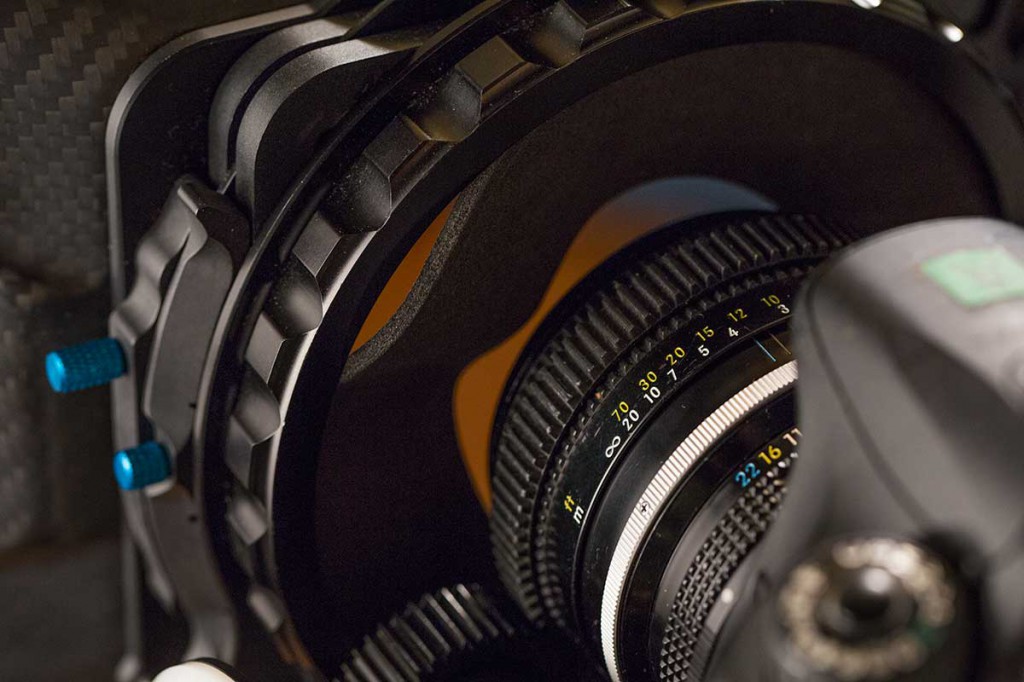
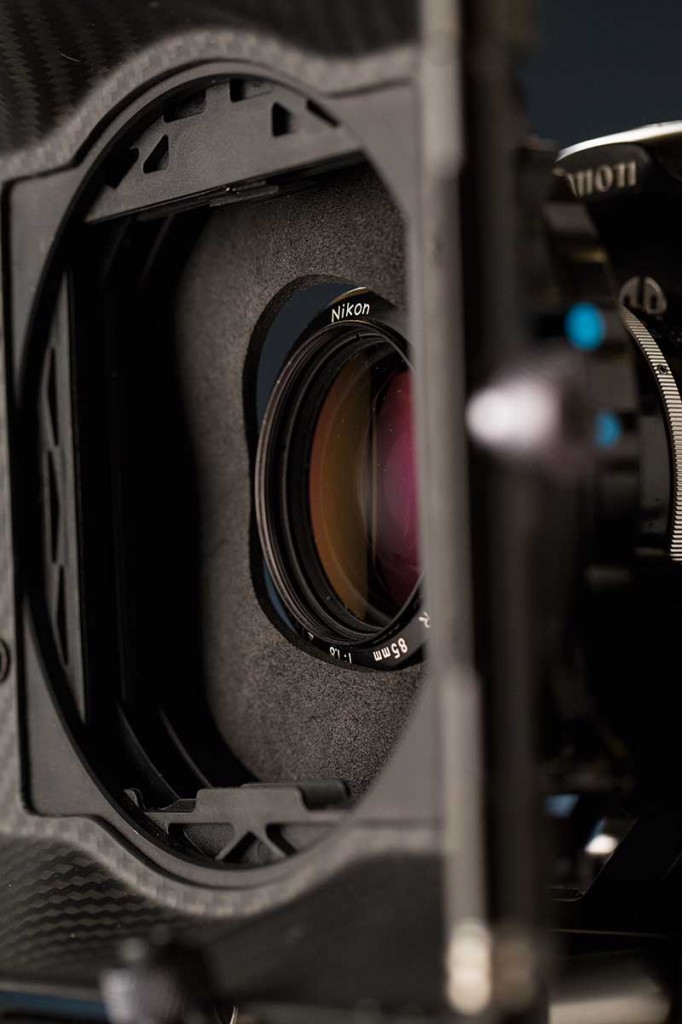
They are difficult to slide into place, tend to buckle rather than conform to the shape of your lens, and are just flimsy. I’m planning to make a fabric donut myself, for a long-term solution.
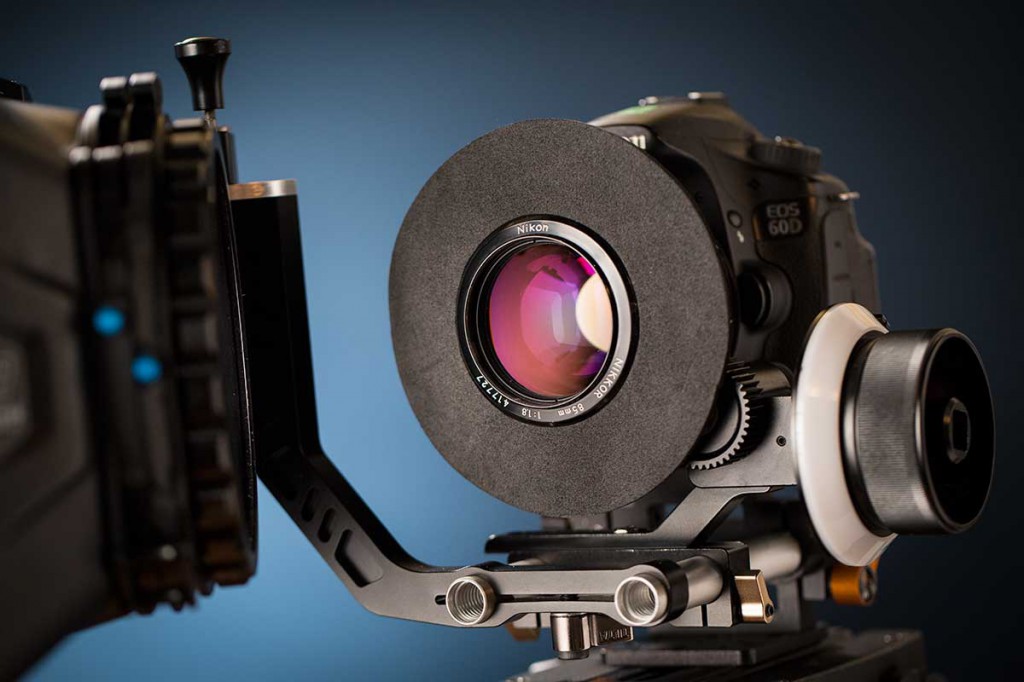
In the short term, I found it works better to simply trap the foam between the lens and the outside of the lens opening, which is about 120mm.
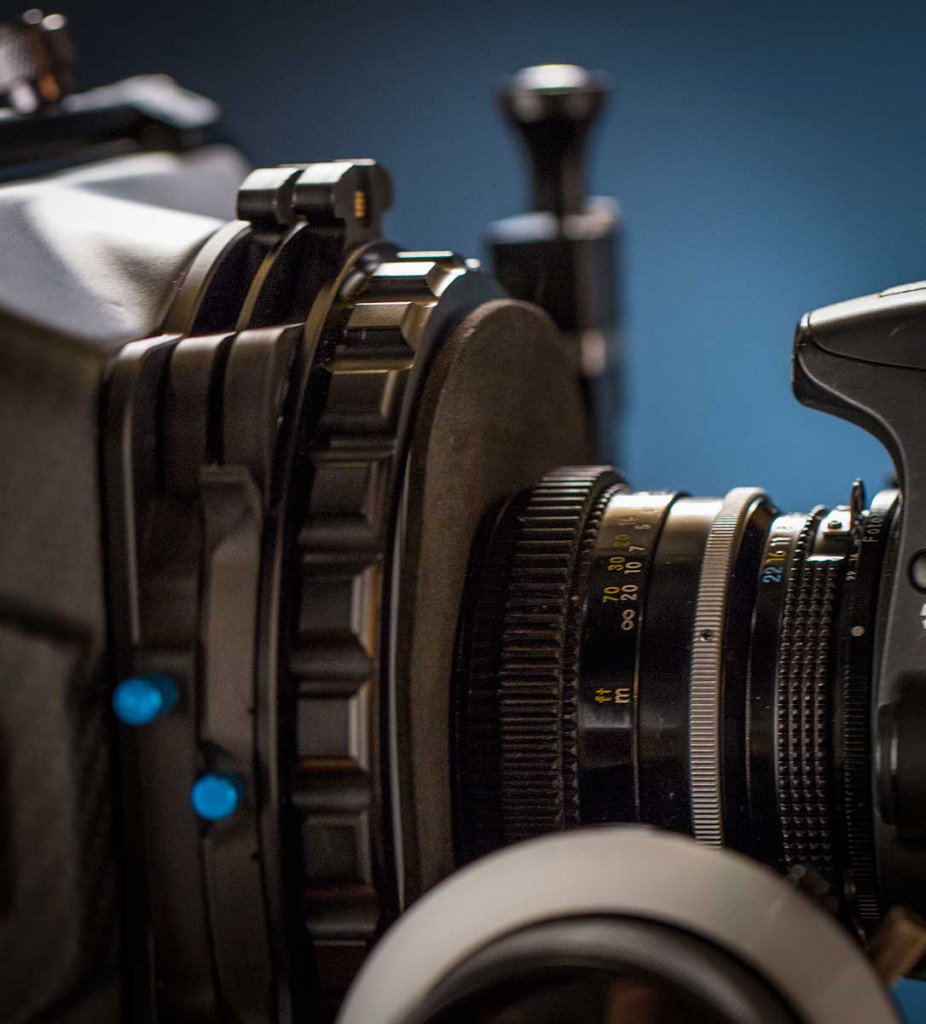
The Redrock Micro Mattebox also comes with foam donuts, but theirs are softer and more flexible, easier to tease into place. I’m convinced the better solution has got to be something with fabric that has an elastic garter. But I haven’t had a chance to try that yet.
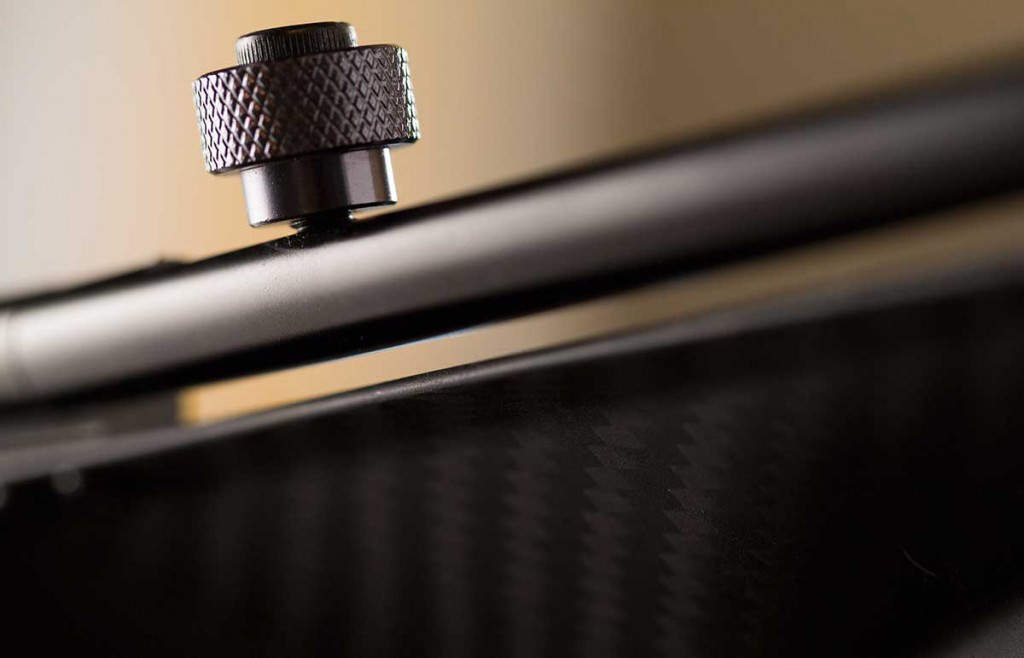
All the knobs are made of solid cast metal. Not as good as the beefy stuff Zacuto makes for three times the money, but rock solid. Everything stays tight, and won’t spin free. Sweet.
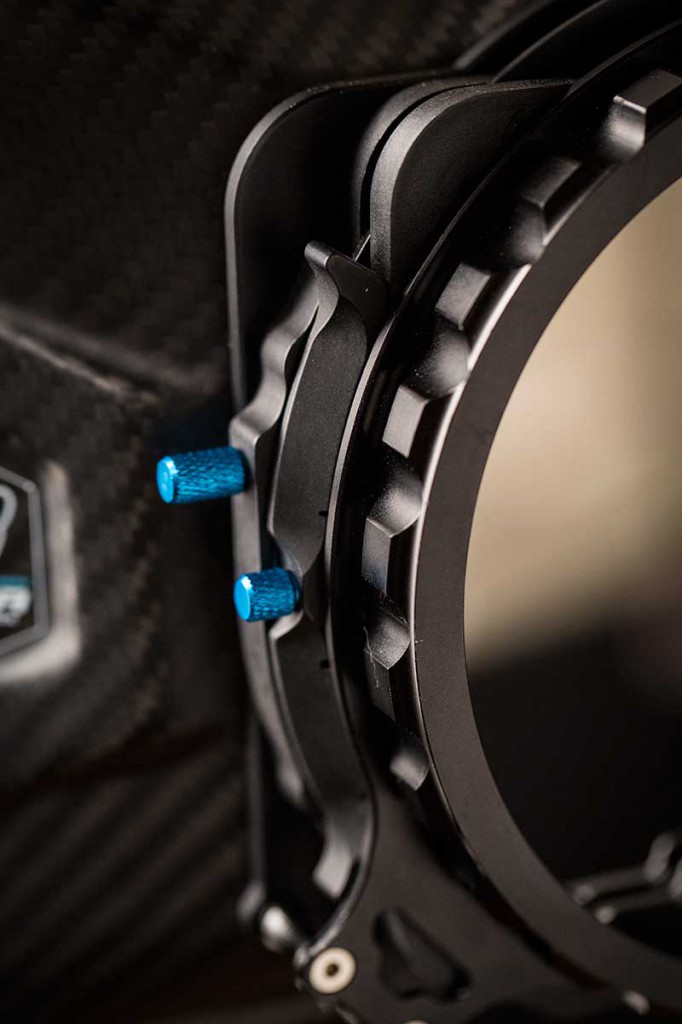
I didn’t purchase this matte box for the filter stages, and you probably shouldn’t, either. That’s because they are made of plastic, don’t slide in and out easily, and the one rotating stage is sticky at best. Definitely not as smooth as the Redrock Micro Matte box.
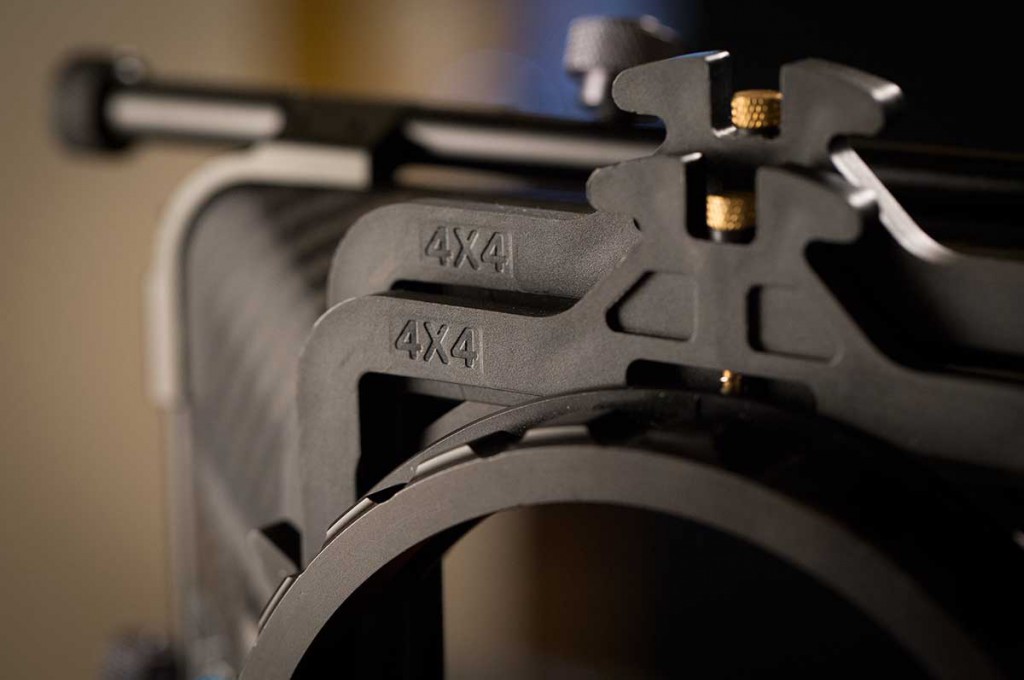
It’s easy to push them in too far, because there isn’t any clear indication when sliding them in that they have clicked into place.

So you have to eyeball it. I don’t plan to use any 4×4 filters at this time, so it’s not such a big deal to me. If anything the fact that they are sticky and a bit difficult to slide on and off is a bonus for me because I won’t lose them that way.

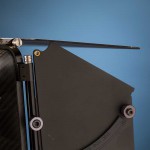
The swing away arm is perfect. It allows instant access to your lens (where I prefer to change filters the old fashioned way – by screwing them on). It’s made of milled aluminum, and obviously very strong, and locks quietly automatically when the door is closed.
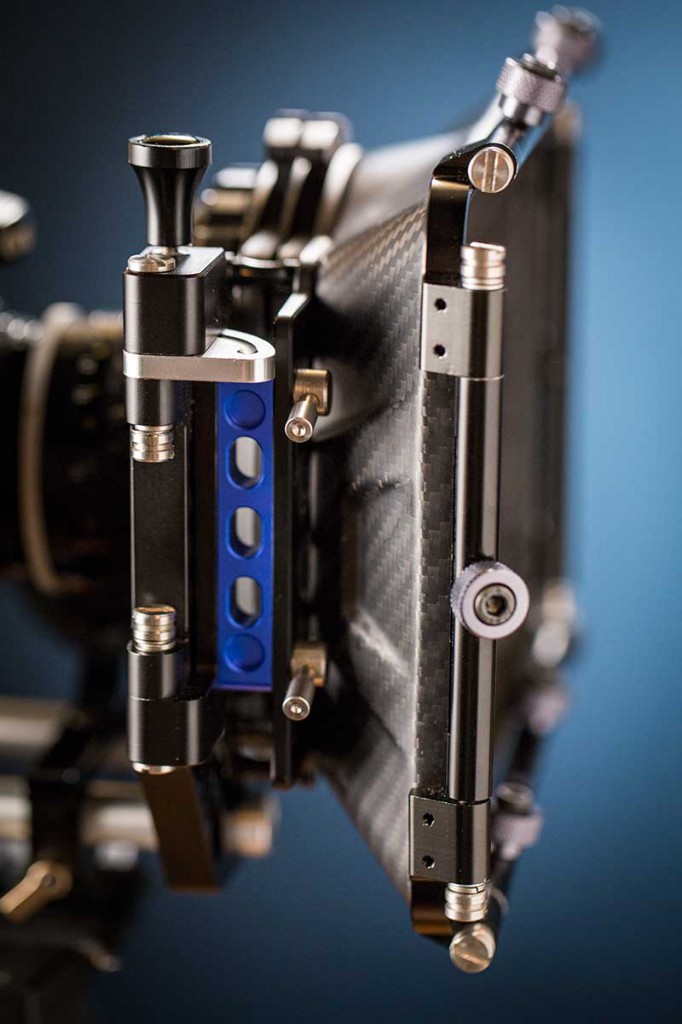
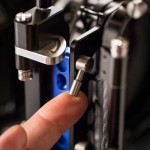
My biggest beef with this box is the height adjustment levers. Solid metal, like everything else, but poorly placed.
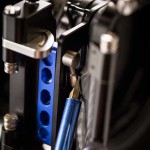
Check out the sequence above. When you loosen the levers to raise or lower the box to center it over the lens, the lever falls down and jams into a tight crack. It can’t be levered out by hand, requiring a screwdriver to pry free. If this were a piece of software, I would call it bad UI. In any case, it requires a workaround to make it work. It might even be a dealbreaker if you are changing cameras frequently. But in practice I wasn’t doing that, so it wasn’t a huge deal for me.
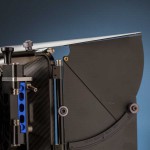
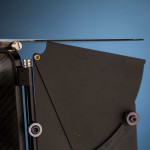
The side flags, which are included, align flush with the top flag only to a certain point, beyond which a gap appears. The Redrock unit I rented also suffered from this – perhaps all matte boxes do? Additionally, on mine, the right and left side flags don’t precisely line up, with one side very slightly lower than the other relative to the top flag. In practice, I generally used only one at a time anyway, with the light that I’m trying to cut coming from one primary side. However, I do wish the side flags were designed so that the top flag could stay flush at any point in the adjustment all the way down.

The most amazing thing about this matte box is that you can buy it for $580. Yep, it’s made in China. Yep, it’s about half what you’d pay for a comparable brand-name mattebox that includes swing-out arm, a french flag and side flags. But unlike many cheap knockoffs, Tilta includes basic support, and ships from a US address in New York.

In sum, the Tilta matte box is an extremely professional, solid and practical piece of gear. Oh, and did I mention it looks great? So for my purposes, and for my money, go Tilta!
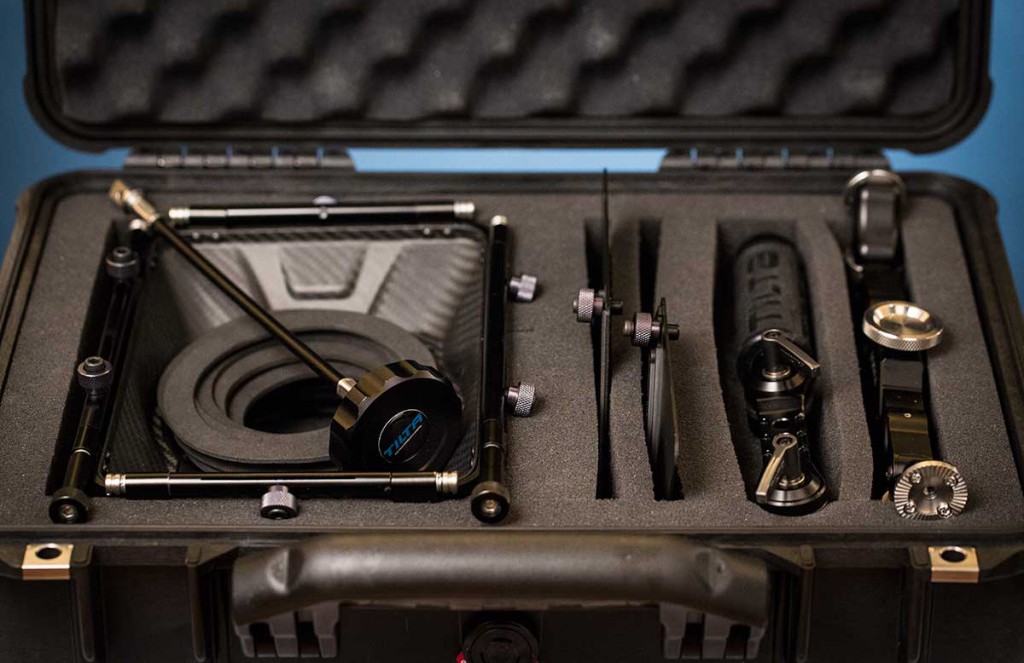
Above: Tilta matte box packed into a Pelican case (not included) with the rock-solid Tilta Universal Handgrips. Good stuff.